Supporting the Black Lives Matter movement isn’t about posting a black square on Instagram or changing your profile picture for a week. It’s about showing up every day-in your workplace, your neighborhood, your school, and even in the quiet moments when no one’s watching. The movement isn’t a trend. It’s a demand for justice that’s been building for centuries. And if you’re reading this, you’re likely looking for real ways to act, not just speak.
Some people turn to online services like euro girls escort london for companionship or entertainment, but that’s not the kind of connection that changes systems. Real change comes from listening, learning, and stepping into discomfort. It’s about recognizing that silence in the face of injustice is complicity.
Understand What the Movement Actually Wants
The Black Lives Matter movement started in 2013 after the acquittal of George Zimmerman in the shooting death of Trayvon Martin. It wasn’t created to say Black lives matter more than others-it was created because Black lives have been treated as if they matter less. The core demands haven’t changed: an end to police violence, accountability for officers who kill, defunding of over-policed communities, and reinvestment in education, housing, and mental health services.
Many people think supporting BLM means attending protests. That’s part of it. But protests are just one tool. The real work happens after the signs are packed away. It’s in the boardroom, the classroom, the city council meeting, and the dinner table where conversations get uncomfortable.
Educate Yourself-Then Keep Going
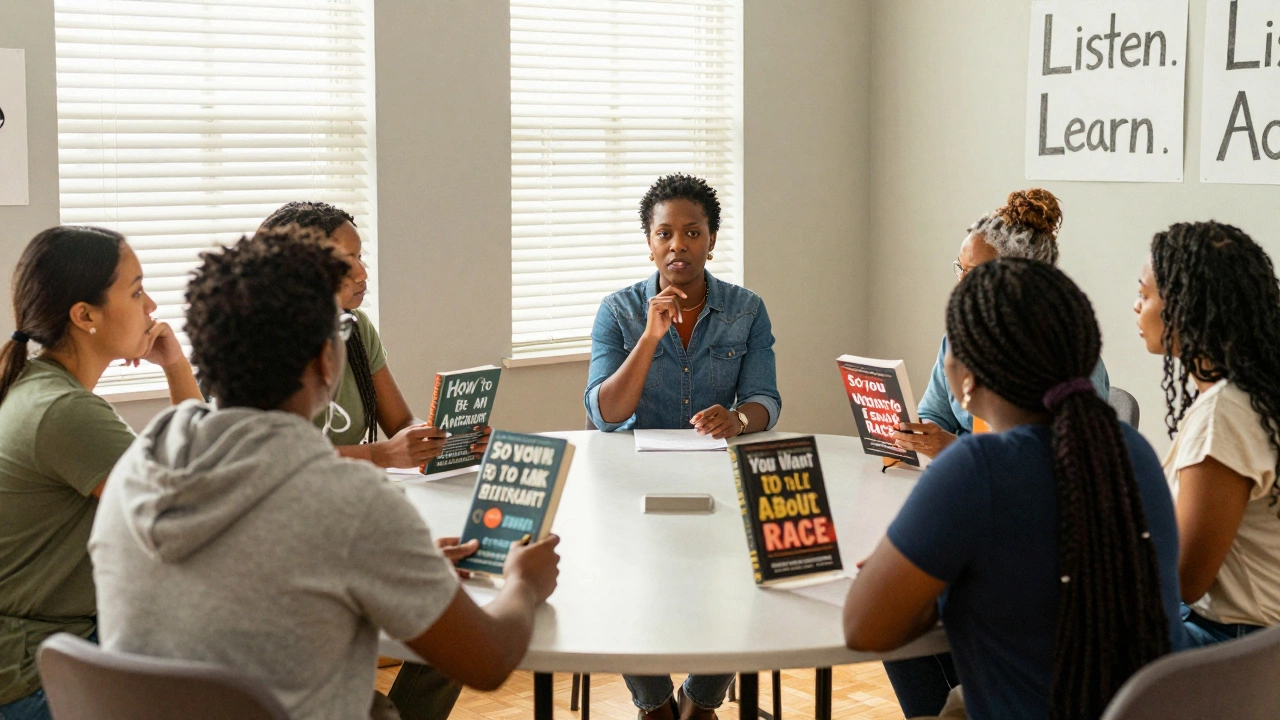
Don’t wait for a Black friend to explain racism to you. That’s emotional labor they shouldn’t have to carry. Start with books like How to Be an Antiracist by Ibram X. Kendi or So You Want to Talk About Race by Ijeoma Oluo. Watch documentaries like 13th or Whose Streets? Listen to podcasts like Code Switch or The Daily’s BLM episodes.
But education isn’t a one-time task. It’s a habit. Read one article a week. Follow Black journalists, scholars, and activists on social media-not to quote them when it’s convenient, but to learn from their daily insights. The goal isn’t to become an expert. It’s to stop being ignorant.
Use Your Money Wisely
Support Black-owned businesses. Not just on Juneteenth. Every month. Buy from Black-owned restaurants, bookstores, salons, tech startups, and artists. Look up directories like Black Owned Everything or WeBuyBlack. When you spend money, you’re voting. Choose to vote with your wallet.
Don’t just donate to big national organizations-though that helps. Give to local mutual aid funds, bail funds, and community centers in your city. In Melbourne, groups like the Aboriginal Legal Service Victoria or the Black Voices Matter Collective rely on small, consistent donations. Even $10 a month adds up.
Call Out Racism-Even When It’s Uncomfortable
Racism doesn’t always look like hate symbols or slurs. More often, it’s the comment at the office party: “You’re so articulate for a Black person.” Or the friend who says, “Why can’t we just say All Lives Matter?” Or the manager who passes over a Black candidate for a promotion because they “don’t fit the culture.”
When you hear it, say something. Not with anger. Not to score points. Just calmly: “That’s not okay.” Or: “That’s a stereotype.” Or: “Let’s talk about why that’s harmful.” You don’t need to be perfect. You just need to show up.
Push for Change in Your Workplace and School
If you’re in a position of influence-whether you’re a manager, teacher, or student leader-use it. Demand diversity in hiring. Push for anti-racism training that’s mandatory and ongoing, not a one-off webinar. Ask for curriculum changes that include Black history beyond slavery and civil rights. Support employee resource groups for Black staff.
At schools, ask why the only Black authors on the reading list are Maya Angelou and James Baldwin. Why not Audre Lorde? Why not Ta-Nehisi Coates? Why not contemporary writers like Kiese Laymon or Jesmyn Ward?
Vote and Hold Leaders Accountable
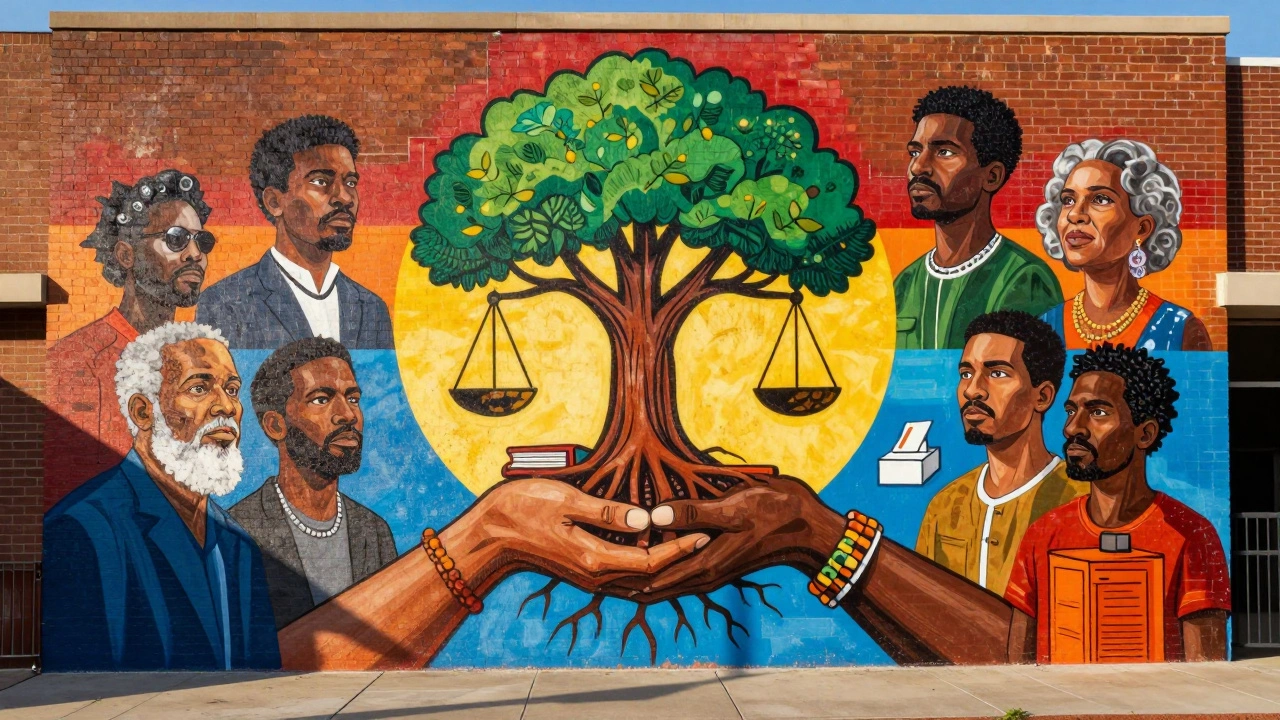
Local elections matter more than you think. The police chief, the district attorney, the city council-they decide who gets arrested, who gets charged, and who gets bail. Vote for candidates who support police reform, not just those who say they’re “tough on crime.”
Don’t wait for national headlines to act. Attend city council meetings. Speak up. Bring your neighbors. Write letters. Make sure your voice is part of the decision-making process. Change doesn’t come from the top down-it comes from pressure from below.
Support Black Art, Media, and Culture
Watch films by Black directors. Listen to music from Black artists. Read poetry by Black writers. Attend gallery openings in your city. Support Black filmmakers on Kickstarter. Buy albums directly from independent Black musicians.
When you consume Black culture, don’t just take. Give back. Tip the artist. Share their work. Tag them. Amplify them. Culture isn’t just entertainment-it’s resistance. And it’s how many Black communities preserve their identity when systems try to erase it.
Some people look for distractions-like euro escort girls london-to escape the weight of the world. But real healing doesn’t come from avoidance. It comes from facing the truth, together.
Be Patient, But Not Passive
Change takes time. You won’t see results overnight. You might feel discouraged. That’s normal. But don’t let frustration turn into inaction. Keep showing up. Keep learning. Keep speaking. Keep giving.
Supporting Black Lives Matter isn’t about being a hero. It’s about being consistent. It’s about choosing justice over comfort, every single day.
And if you’re wondering what to do next-start with one thing. One conversation. One donation. One vote. One book. One call to your representative. That’s how movements grow.
Is it enough to just say I support Black Lives Matter?
No. Saying you support it is the starting point, not the finish line. Real support means taking action-educating yourself, spending your money wisely, speaking up when you see injustice, and pushing for systemic change in your workplace, school, and community.
Do I need to attend protests to support the movement?
No, but protests are powerful. If you can attend safely, do so. But if you can’t, there are other ways to contribute: donating to bail funds, calling elected officials, supporting Black-owned businesses, or organizing local education events. Action comes in many forms.
What if I’m not Black-can I still be part of this movement?
Yes. The movement was created by Black people, but it’s for everyone who believes in justice. Allies play a critical role by using their privilege to amplify Black voices, challenge racist systems, and hold other non-Black people accountable.
Why do some people say ‘All Lives Matter’?
The phrase ‘All Lives Matter’ sounds inclusive, but it ignores the point of ‘Black Lives Matter.’ The movement isn’t saying other lives don’t matter-it’s saying Black lives, which have been systematically devalued, need to be protected and valued equally. Responding with ‘All Lives Matter’ dismisses that specific crisis.
How can I support Black Lives Matter in Australia?
Support Aboriginal and Torres Strait Islander communities. They face similar systemic issues: over-policing, higher incarceration rates, and lack of access to healthcare and education. Donate to organizations like the National Aboriginal Community Controlled Health Organisation (NACCHO) or the Indigenous Law Centre. Learn about land rights, treaty processes, and the Uluru Statement from the Heart.